
Camping and Travel
SxS Park Camping Guide
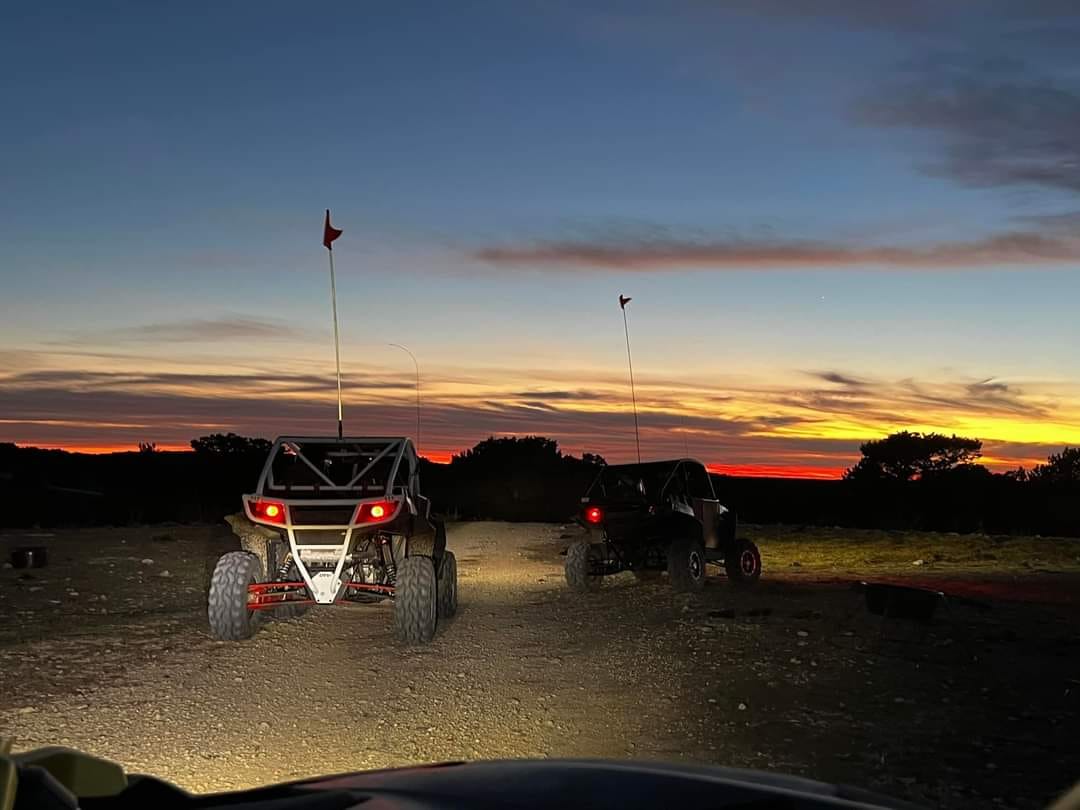
Plan a side-by-side camping trip: RV hookups vs primitive sites, cabins, booking event weekends, generators and quiet hours, and what to pack.
Quick answer
Plan a park camping trip around the campsite’s actual services, your sleeping setup, and how you will move between camp and riding. An overnight listing does not tell you whether there is power, drinking water, a suitable space for your trailer, or a reserved accommodation. Confirm those details before packing around assumptions.
Give camp setup its own time in the travel plan. Arriving tired and unloading in darkness makes small omissions harder to solve. A clear reservation, accessible evening essentials, and a practical departure routine let you focus on riding without spending the weekend reorganizing supplies.
RV hookups, primitive sites and cabins
For an RV site, ask what hookups are provided and whether they match your equipment. Confirm electrical connection details, water access, and the arrangements for wastewater. Check usable site dimensions and trailer parking rather than assuming an RV label accommodates every tow vehicle and machine combination.
Primitive camping generally means you must investigate which services are absent or shared. Ask about water, toilets, washing facilities, and where you can place a tent or trailer. Prepare to supply what your group needs, but base that list on the destination’s answers rather than a universal definition of primitive.
A cabin or other lodging option can simplify sleeping without solving the rest of camp planning. Find out about bedding, cooking facilities, occupancy, and parking for the machine and trailer. Confirm how late arrival works and what you need to bring inside before check-in closes, if applicable.
The Boggs & Boulders park page represents camping information that includes RV, primitive, and cabin or lodging categories. Use it as an example of why a destination can present several overnight options with different practical needs. Ask the operator about the specific accommodation you intend to reserve and its currently available services.
Think through where the machine will be parked after riding. A campsite may be suitable for sleeping but still require separate unloading or vehicle storage arrangements. Confirm permitted movement between camp and the trails instead of assuming the shortest visible path is an authorized connection.
Booking around holidays and events
Busy weekends can reduce accommodation choices and change where groups are assigned. Once you choose travel dates, check site availability early enough to compare workable alternatives. Ask whether you are booking a particular space, a site category, or an area assigned when you arrive.
Coordinate group bookings without assuming nearby sites are guaranteed. Tell the campground how many setups need to fit together and whether anyone has special access needs. If adjacent spaces cannot be confirmed, plan a shared meeting area that does not interfere with other campers.
Read cancellation and weather terms before committing to the overnight stay. Ask what happens if your arrival is delayed and how campground updates are communicated. Keep the accommodation confirmation accessible and give the arriving driver the site information rather than leaving it on another rider’s phone.
For a crowded riding weekend, confirm campsite access, unloading arrangements, and whether the usual campground entrance is still in use. Event activity can affect camp routines even when you are not participating. Separate the lodging decision from the broader event plan so your sleeping setup remains clear.
Generators, quiet hours and campfires
Generator policies vary by campground. Ask where and when use is permitted, and follow equipment instructions for safe placement and operation. Do not improvise an enclosed setup or assume a neighbor’s generator arrangement is suitable for yours.
Confirm quiet hours and any restrictions on machine movement through camp. Plan charging, cooking, and evening lighting so they can work within those policies. Respect nearby tents and sleeping areas even when you personally intend to stay awake later.
Campfire permission can depend on the campground and current restrictions. Ask about approved fire locations and fuel arrangements before bringing supplies. Have a meal plan that works without a fire so a restriction does not force an improvised cooking setup.
Find out where waste, ash, and wastewater belong. A convenient patch of ground is not a disposal point. Use the campground’s instructions and leave shared facilities ready for the next visitor.
Camp packing list
Build your camp list from the services you have confirmed. Keep the first evening’s items easy to reach so you can establish shelter, light, and food without emptying every storage box. Share responsibilities explicitly; two coolers do not help if nobody brought the equipment for sleeping.
- Campsite setup: the appropriate shelter or accommodation supplies, ground protection where needed, and permitted ways to secure items against weather.
- Power and water: compatible connection equipment, charged batteries, and containers sized for your confirmed water access and stay.
- Sleeping: bedding, a suitable mattress or sleeping pad, dry layers, and insulation appropriate to the forecast.
- Weather: rain coverage, a way to separate wet gear, and a plan for securing loose camp items if wind increases.
- Lighting: portable lights for the sleeping and meal areas, spare power, and illumination that does not shine into neighboring sites.
- Food storage: closed containers, cooling appropriate to your meals, and storage practices required by the campground.
- Cleanup: waste bags, washing supplies appropriate to available facilities, and a way to contain muddy clothing and boots.
- Machine security: permitted locking or storage equipment and a plan that keeps controls, keys, and loose tools secure.
After unpacking, walk the campsite to identify cords, hoses, and gear that could trip someone after dark. Keep access paths clear and separate the cooking area from vehicle movement. A tidy setup makes a late return easier because essentials are still where everyone expects them.
Allow time for the return packing process. Dry or isolate wet items, remove rubbish, and check that stored equipment cannot shift during towing. Inspect the site after moving the trailer so small belongings or trash hidden underneath are not left behind.
Parks with camping
Use the national parks with camping directory to discover overnight candidates, then compare the individual pages. The category identifies represented camping information without promising a vacant site or a particular hookup. Ask each operator about your dates and setup before making the trip dependent on that option.
For state-focused planning, browse Alabama camping locations and Arkansas camping locations. Compare the ride and the campsite together: the overnight accommodation must work for your group, while trail access must work for your machine. A nearby off-site stay may be more practical if either part does not fit.
When information is incomplete, contact the campground to verify current rules and available services. Record the answers that affect packing or booking, especially water, electrical compatibility, trailer space, and arrival arrangements. Treat discovery as the beginning of the overnight plan rather than the reservation itself.
FAQ
Does an RV site always include full hookups?
The RV category does not establish every service provided at an individual space. Confirm power, water, and wastewater arrangements separately and bring equipment compatible with the operator’s answers.
What should you unload first after a late arrival?
Keep permitted lighting, sleeping essentials, water, and a simple meal accessible before the trip. Follow the campground’s arrival and quiet-hour instructions while setting up only what you need for the night.
How do you keep muddy riding gear out of the sleeping area?
Plan a contained storage place and a change of footwear before the first ride. Use approved washing facilities and keep wet items separated so they do not soak bedding or food supplies.