
Events and Racing
UTV Event Planning Guide
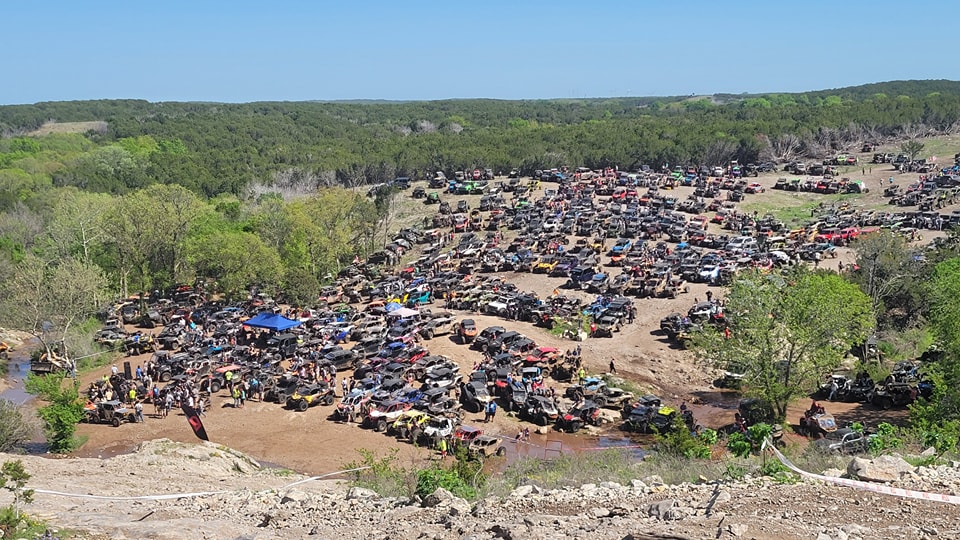
Plan your next SxS or UTV event: registration, park passes, camping, what to pack, check-in, group-ride etiquette and what to do when the weekend ends.
Quick answer
A successful UTV event trip starts with understanding what your reservation actually includes. Event registration, park admission, camping, guided rides, and entertainment can be separate purchases. Match the weekend to your machine and the people coming with you, then confirm each part of the booking before loading the trailer.
Use a current event listing to identify the date and venue, but follow the organizer’s official updates for changes. Save your confirmations somewhere accessible without mobile reception. Give your group a clear arrival plan, a place to meet, and enough flexibility to handle weather or a mechanical problem without turning the whole trip into a rush.
The upcoming events calendar helps compare weekends across states. Open the linked riding-location profile when one is available, and distinguish venue rules from the promoter’s event instructions. A familiar park can operate differently during a large gathering, with changed entrances, restricted trails, or designated camping areas.
Types of UTV events
Trail rides usually center on time in the machine, whether riders follow marked routes independently or join scheduled groups. A guided ride may require a reservation and a specific departure time. Ask about terrain, vehicle width, group pace, and how the ride leader handles a participant who needs to stop early.
Rallies and poker runs often combine riding with planned stops or social activities. Participation details vary: registration may cover a route, an activity card, or admission without including every optional attraction. Establish how your group will stay together if some riders want to complete the organized route and others prefer a shorter outing.
Mud weekends can attract machines with very different capabilities. Choose your own route according to the terrain, park instructions, and driver experience. Watching someone else cross an obstacle does not tell you its depth or whether your vehicle can do the same. Plan cleaning and recovery arrangements before the machine is covered in mud.
Camping weekends, festivals, and family gatherings may place as much emphasis on time outside the machine as on riding. Check quiet hours, evening programming, child access, and whether the campground is separated from busy trails. If competition is the main draw, the SxS racing guide explains the additional questions involved in watching or entering a race.
Two to four weeks before the event
Start with a shared calendar and a realistic travel budget. Confirm that the advertised dates refer to the event you want, rather than a past edition or a general park opening. Ask whether check-in opens before the first activity and whether your trailer can enter late if traffic delays the trip.
Read the registration details before paying. Find out whether each rider, passenger, machine, or campsite needs a separate reservation. Check cancellation terms and how weather-related changes are announced. Keep the organizer’s contact details with your receipt so you can resolve a booking problem without searching through old social posts.
Compare your machine with the venue’s published access rules. Width, permitted vehicle classes, helmets, restraints, permits, exhaust, and operating hours may affect the trip. Do not interpret missing information as unrestricted access. Contact the venue when a rule is unclear, especially if your group includes different types of vehicles.
Inspect the machine and tow setup while there is still time to repair problems. Review tires, brakes, fluids, belts, steering, and the manufacturer’s maintenance instructions. Check trailer lights, load restraint, and the towing vehicle’s condition. A short controlled check near home is more useful than discovering an unresolved issue at the campground.
For overnight stays, ask about the campsite’s actual services and dimensions. An RV space does not necessarily have full hookups, and a cabin reservation may have occupancy or parking limits. The park camping guide helps organize these questions without assuming that every riding destination offers the same facilities.
Choose a route to the entrance identified by the organizer, rather than whichever pin appears first in a map search. Park profiles for Hot Springs Off-Road Park or Top Trails can support location planning, but always confirm event-specific arrival instructions before towing a large trailer.
What to bring to a UTV event
Use this single packing checklist as a starting point, then adapt it to the current venue requirements, forecast, length of stay, and your machine. Share responsibilities across the group so essential supplies are available without everyone assuming another person packed them.
- Registration confirmations, identification, permits, and the organizer’s arrival instructions saved offline.
- Required helmets, eye protection, restraints, and clothing suited to the expected terrain and weather.
- Drinking water, meals or snacks, sun protection, and any personal medication your group needs.
- A first-aid kit and emergency contact information that every adult can locate.
- Machine-specific tools, approved spare parts, and supplies chosen according to your maintenance knowledge.
- Recovery equipment appropriate to the vehicle, with a plan for using it within park rules.
- Navigation information, a charged phone, and an agreed communication method where reception is limited.
- Camping equipment, lighting, waste bags, and hookup equipment if your reservation requires them.
- Tow-vehicle and trailer supplies, along with a way to secure loose belongings for the return trip.
Packing more equipment does not replace knowing how to use it. Before leaving, make sure someone understands the items intended for recovery or repair, and avoid improvised fixes beyond the group’s experience. Keep everyday essentials accessible when the trailer is loaded so a delayed arrival does not leave water or rain gear buried underneath luggage.
At check-in and on the trail
At arrival, confirm the activities and access attached to your booking. Ask where to unload, park, camp, and obtain any required wristbands or vehicle identification. Read posted changes even if you have visited before. Resolve a missing pass at check-in instead of discovering it at a trail gate or scheduled departure.
Find the event information point and learn how urgent announcements are made. Agree on a meeting place that does not depend on a working phone. If your group splits between riding and other activities, establish when everyone will reconnect and who knows the plan for a person returning to camp early.
Choose an initial trail that lets everyone settle into the conditions. Maintain space between machines, control speed around pedestrians, and follow the designated direction of travel. Do not pressure a less experienced rider into an obstacle simply to avoid delaying the group. A planned bypass or a pause can keep the outing enjoyable for everyone.
At intersections, make sure the next rider knows the route without blocking traffic. Stay on authorized trails and respect closures, including tempting paths that appear well used. Stop in permitted places where other machines can pass, and leave room for emergency or recovery vehicles. Event crowds make predictable behavior especially valuable.
If a machine has trouble, move safely out of traffic when possible and contact event staff using the method provided at check-in. Follow their recovery instructions rather than starting an improvised tow across a crowded route. Have a way to keep the rest of the group informed without sending every machine back through the same bottleneck.
When the weekend ends
Allow time for cleaning and inspection before loading. Look for damage or loose components that might affect the return journey, and secure muddy gear so it does not create a problem inside the tow vehicle. Use the venue’s approved wash facilities when available and follow instructions for waste and runoff.
Walk through the campsite and loading area before departure. Remove rubbish, check for forgotten equipment, and leave rented facilities according to the booking terms. Recheck load restraint and trailer connections after everything is packed; tired riders should still give the road journey the same attention as the trip out.
Keep useful notes about arrival, access, and anything your group would do differently. Send factual listing corrections through the site’s update tools, separating what you observed from what still needs confirmation. Thank volunteers and organizers without treating a good weekend as proof that every published park detail remains current.
Event planning FAQ
Is event registration the same as a park pass?
Sometimes a package includes both, but the purchase details should say so explicitly. Confirm rider, passenger, vehicle, and camping charges with the organizer. Keep receipts together so check-in staff can identify which parts of your visit are already covered.
Can beginners attend a UTV rally?
Many gatherings offer choices suitable for different experience levels, but availability depends on the venue and schedule. Ask about route difficulty and vehicle fit, then select activities that leave room to build confidence. Social attendance does not require tackling the hardest trail on the property.
What happens if weather changes the schedule?
The organizer determines delays, closures, cancellations, and any applicable refunds. Follow the official communication channel and review booking terms before departure. Avoid relying on a reposted flyer when the promoter has issued a more recent update.
Find upcoming UTV events
Compare trail rides, mud events, and camping weekends according to your group’s priorities. Categories can overlap, so read the individual listing rather than choosing solely from a label. Confirm current registration with the organizer and use the linked park page to complete your travel plan.