
Beginner Guides
SxS vs. UTV vs. ATV
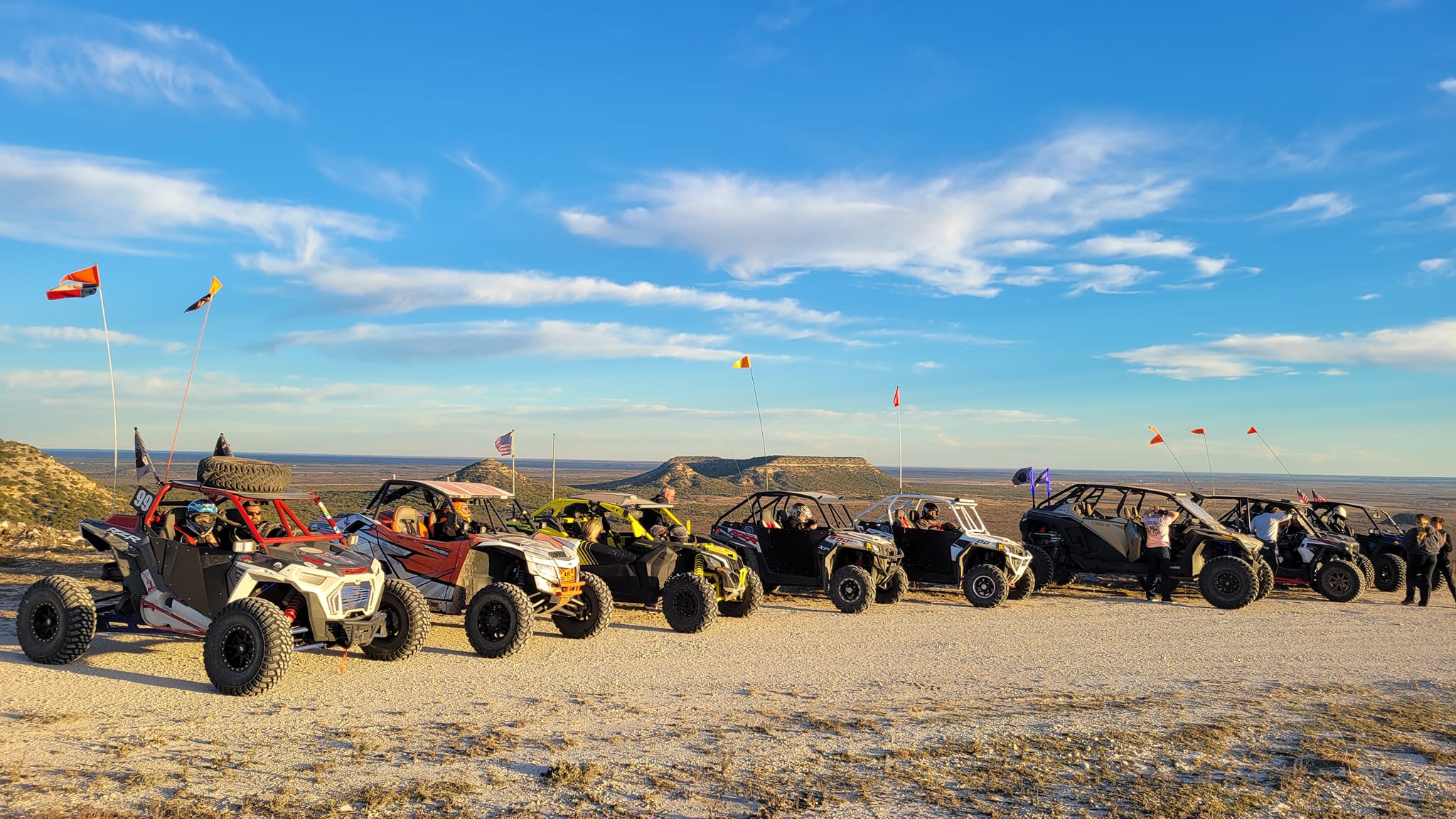
SxS vs UTV vs ATV explained: seating, controls, width, how parks and trails treat each, and what to check before riding on public roads.
Quick answer
A SxS usually seats occupants beside each other and uses a steering wheel and foot pedals. UTV is an overlapping term used for utility and recreational machines with that general arrangement. An ATV usually has a straddle seat and handlebars, with the rider’s position and body movement playing a different role in control.
Those names help you describe a machine, but they do not establish permission to ride it. Your vehicle’s dimensions, the trail’s designation, and the controlling operator’s definitions matter more than the abbreviation on a sales brochure. Identify your exact model before asking whether a route accepts it.
SxS, UTV and ATV defined
In everyday conversation, side-by-side describes the seating arrangement. Many SxS machines have bucket seats, restraints, a protective structure, and a cargo area, although configurations differ between models. A two-seat sport machine and a longer vehicle with additional seating can both be called side-by-sides while needing very different room on a trail.
UTV commonly means utility terrain vehicle. You may see the term applied to work-oriented machines with a cargo bed, recreational models, or both. It is useful shorthand when browsing destinations, but a trail system may classify the same vehicle using its own category or a definition based on dimensions and equipment.
An ATV commonly uses handlebars and a seat you straddle. Passenger accommodation depends on the particular design; an extra stretch of seat does not prove that the manufacturer allows another rider. Consult the model’s instructions rather than transferring seating assumptions from a SxS to an ATV.
Controls also change what preparation looks like. A SxS driver needs to understand pedal response, steering, restraints, and the machine’s selected drive mode. An ATV rider needs training appropriate to its controls and handling, rather than assuming experience in a steering-wheel vehicle carries over completely.
When reading a map, look beyond an ATV or UTV icon. Find the legend, permitted vehicle classes, route direction, and any separate width restrictions. If terminology is ambiguous, give the operator the model and measured width and ask about the exact trails you intend to use.
Why width matters: 50-inch trails
Machine width can decide whether a trail is available to you before difficulty enters the picture. A designated narrow route may have a stated maximum width, access controls, or limited clearance that a wider machine cannot use. Not every ATV trail has the same limit, and an ATV label alone does not establish a measurement.
Use the riding-location finder’s vehicle-width filter to discover listings with represented width information, then confirm the controlling area’s current definition. Ask whether the restriction applies throughout the system or only to particular routes. A destination containing narrow trails may also have different access elsewhere, but you need the operator’s map to establish that.
Check the width of your actual configuration. Aftermarket wheels, tires, or other modifications can affect fit compared with the original specification. Follow the area’s measurement method and account for equipment that changes the machine’s outside dimensions; guessing from the model name is unreliable.
A gate is not an invitation to squeeze through or use the shoulder. If your machine does not qualify, choose a permitted alternative rather than bypassing the restriction. Matching access before departure also keeps a mixed group from discovering at the entrance that only some vehicles can continue.
Private parks vs public riding areas
A privately operated park controls visitor access through its own operating policies, within applicable law. Its admission process, trail map, and vehicle rules govern the visit. Paying to enter does not mean every obstacle is appropriate for your experience or that surrounding roads are included in the riding area.
Public trail systems may involve different routes, access points, and responsible authorities. Government-managed riding areas can have agency maps, seasonal notices, closures, and credential requirements distinct from private admission. Even neighboring destinations may use different classifications, so confirm which organization controls each part of your planned ride.
Treat connecting sections as separate questions. A trail, campground lane, public road, and private access road can sit close together while operating under different permissions. An attractive line on a general navigation map does not show that your OHV can legally or safely travel it.
Before loading, check the official park or land manager for the latest access information. Keep the relevant map and contact details accessible offline. If a directory description and a posted notice disagree, seek clarification from the controlling authority and respect the closure while you resolve it.
Street-legal and road use
There is no universal street-legal answer for a SxS or UTV. Rules vary by state, county, municipality, and roadway, and authorization for one segment does not establish authorization for the next. This is trip-planning information rather than legal advice; use the responsible agencies to determine what applies to your proposed route.
Separate an equipment question from an access question. A machine may have lights or other road-oriented equipment without being allowed on a particular road. Registration or a plate should not be treated as permission to ignore local road designations, signs, or limits.
Describe the actual journey when asking an agency for guidance. Identify the roads, intended crossings, vehicle model, and whether you are a resident or visiting rider. Asking only whether UTVs are allowed in a state can miss the details that determine your trip.
For a supported example, the Wisconsin riding directory includes state guidance distinguishing authorized ATV routes from roads merely located near trails. Follow the linked agency information and confirm local conditions. That example explains why road permission deserves its own check; it is not a rule for other states.
Registration, OHV decals and permits
Registration records a vehicle within a particular program. An OHV decal or permit may address access to specified land or a riding system, while a trail pass can be another credential. Private admission and road permission remain separate concepts even when several documents are required for one outing.
Wisconsin’s published state information also distinguishes registration from the nonresident trail-pass questions that visiting riders may need to resolve. Use the agency links on that state page to check your vehicle, residency, and any applicable exemptions. Avoid buying a credential based solely on what another member of your group needed.
Organize your checks around the destination, vehicle, and rider rather than collecting paperwork at random. Ask which credential applies, who issues it, and how it is presented at the riding area. Save confirmations without assuming a receipt replaces whatever identification the authority specifies.
FAQ
Can a park allow UTVs but exclude my SxS?
Yes, a broad vehicle label can coexist with restrictions affecting particular models or configurations. Give the operator your dimensions and vehicle details so the answer covers your machine rather than a general category.
Does a trail pass make road travel legal?
A trail pass addresses the access covered by that program, while road authorization is a separate issue. Check the specific connecting roadway before using it to reach another trail or campground.
What should a group with ATVs and SxS machines check first?
Identify routes open to every vehicle in the group and compare their width and classification requirements. Plan an alternative destination or separate route if one machine cannot use the proposed system.