
Tires & Wheels
Best SxS and UTV Tires by Terrain
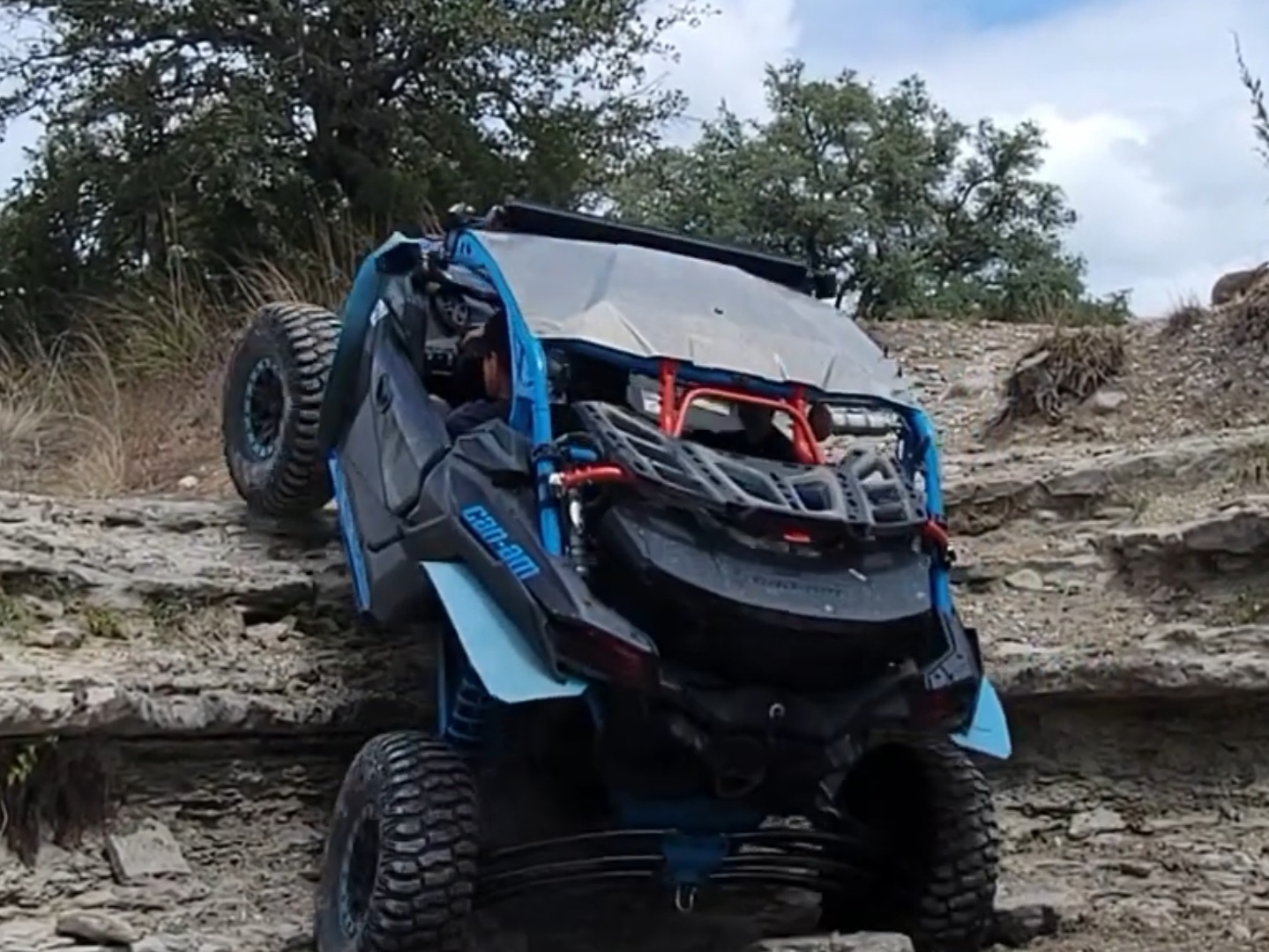
Compare SxS and UTV tires for rocks, mud, trails, hardpack and sand. Learn how tread, compound, construction and terrain determine the right tire.
Quick answer: there is no single best SxS tire
The best SxS tires match the ground you ride and the compromises you can accept. Technical rocks, deep mud, fast hardpack and dunes ask a tire to do different jobs. Start with terrain, then consider your riding speed, driving style, durability priorities and how much ordinary trail or road mileage connects the difficult sections.
Machine weight and power matter too. A heavy tire with aggressive lugs can change acceleration and steering even when it fits. Decide whether you want one versatile set of side-by-side tires or separate sets for specialized trips before comparing models.
These examples explain designs rather than rank products. Their construction and intended uses are manufacturer-supported; the compromises are editorial explanations, not SxSWeRide testing results.
| Terrain | What the tire needs to do | Example tire | Main strength | Main compromise |
|---|---|---|---|---|
| Technical rocks | Conform to rock and provide controlled bite | Maxxis Roxxzilla | Rock-focused tread and compound options | Competition sticky compound can trade abrasive-surface wear for grip |
| Deep mud | Dig and clear packed material | SuperATV Assassinator | Deep, widely spaced self-cleaning lugs | Extreme mud tread is a compromise for mostly hardpack mileage |
| Mixed trail/hardpack/rocks | Handle changing surfaces and repeated impacts | BFGoodrich KM3 UTV | Durable mixed-use design within a Mud-Terrain classification | Less specialized for extreme mud or dunes |
| Sand/dunes | Float and steer at the front; propel at the rear | CST Sandblast | Purpose-built recreational dune configuration | Sand-specific construction and tread limit versatility elsewhere |
What actually changes from one UTV tire to another
Tread pattern determines where the tire presents edges and how it moves material. Lug depth can help a mud tire reach for bite, while lug spacing gives displaced mud somewhere to escape. Closely supported tread can feel different on hardpack from tall, widely separated blocks, especially when cornering.
Rubber compound affects how tread interacts with the surface. Softer compounds can favor rock grip, but abrasion, heat and driving habits still influence wear. A compound label does not establish a predictable lifespan or mean the tire will work equally well on wet rock, dry rock and gravel.
Radial or bias construction describes the arrangement of internal cords. Carcass design, sidewall reinforcement and shoulder tread also affect support and compliance. Ply rating alone does not determine puncture resistance; it is a rating designation, not a complete description of materials, physical layers or resistance to every kind of damage.
Width, diameter and weight finish the picture. Width can support flotation or alter steering, diameter changes obstacle approach and effective gearing, and mass changes the load your machine must accelerate. Compare specifications for the exact size and compound instead of treating every version of a model as identical.
Best tire characteristics for rock crawling
Technical rock riding rewards grip you can control at low speed. A compliant carcass can follow irregular rock, and predictable sidewall behavior helps you place the tire without excessive folding. Useful shoulder tread can engage an edge when the contact is near the side rather than directly under the center.
Maxxis describes the Roxxzilla as designed for extreme rock crawling and off-road racing, with 8-ply-rated radial construction. The manufacturer lists extreme rock and desert among its recommended uses. That makes it a useful example of UTV tires for rocks, but the construction label alone cannot tell you the correct pressure or fitment.
Select Roxxzilla sizes are available in standard and competition sticky compounds. The sticky version is specifically the competition compound; every Roxxzilla is not sticky. Check the exact listing so you know which compound you are comparing and whether your size offers it.
The competition sticky compound prioritizes rock grip, with a potential tread-life tradeoff on abrasive hard surfaces. Actual wear varies dramatically with terrain, speed, pressure and driving style, so there is no useful guaranteed mileage here. If most of your day is ordinary hardpack, ask whether the difficult rock sections justify that compromise.
Browse rock-crawling riding areas when matching the purchase to future trips. Verify current rules with the destination, then think about the connecting miles as well as the obstacles that appear in photos.
Best tire characteristics for deep mud
Deep mud needs a tire that can maintain forward bite while shedding material. Deep lugs reach into the surface, wide gaps create room for cleanout, and a self-cleaning pattern helps keep the tread from becoming a smooth mud-covered cylinder. Whether you want a narrow cutting profile or more flotation depends on the mud, machine and intended route.
The SuperATV Assassinator is a purpose-built pure mud example. Its primary design uses approximately 3-inch tread depth, very wide lug spacing and a narrow profile intended to cut through mud. Those features serve deep mud performance rather than copying a conventional mixed-terrain tread.
Large, widely separated lugs prioritize digging and cleanout, which changes how the tire contacts firm surfaces. The manufacturer incorporates centerline tread support for occasional trail and road manners, so calling it unusable on a trail would be misleading. Occasional connecting travel and a whole day of gravel are different priorities, however.
If ordinary trails make up most of your riding, an extreme mud tire may solve a problem you rarely encounter while adding compromises you feel regularly. Use the mud riding directory to consider where you actually plan to ride. Do not choose UTV mud tires solely because the tallest lugs look capable.
Best tire characteristics for trails, hardpack and mixed terrain
A mixed-use rider needs usable grip as surfaces change without stopping to swap wheels. Durability, predictable handling, sidewall support and tread spacing that balances bite with firm-ground behavior often deserve more attention than maximum specialization. The right compromise depends on whether your normal loop is mostly gravel, hardpack or rocky trail.
The BFGoodrich Mud-Terrain T/A KM3 UTV is the UTV-specific version, using steel-belted radial construction. Despite serving as the mixed-use example here, BFGoodrich officially classifies the KM3 as a Mud-Terrain tire. It should not be described as the brand’s official All-Terrain product.
Manufacturer features include the Terrain-Attack tread pattern, Mud-Phobic shoulders and a rock/grip-focused compound. BFGoodrich also describes sidewall protection, pinch-shock resistance and chip-and-tear resistance on gravel. These are design characteristics, not permission to ignore impacts or a guarantee against damage.
Riders commonly choose the KM3 UTV for hardpack, gravel, rocks, trail travel and some mud because those priorities fit a durable mixed-use approach. Rider reports are mixed in loose sand and slick mud; treat that feedback as a tradeoff to investigate rather than laboratory testing. Differences in pressure, machine and conditions can explain very different impressions.
A tire capable in several environments does not necessarily outperform a specialized mud tire in extreme mud or a dedicated paddle tire in dunes. Compare it against the surfaces on your usual ride, not against an imagined requirement to win everywhere.
Best tire characteristics for sand and dunes
Sand calls for flotation, steering control and rear propulsion. At the front, unnecessary digging can create drag while you still need a tread that guides the machine. At the rear, blades or paddles move sand to generate drive, with tire weight and paddle design influencing the load on the powertrain.
CST Sandblast illustrates a molded recreational dune setup. CST describes a lightweight, dedicated sand tire with 2-ply-rated bias construction and low rolling resistance in sand. Its front tread serves flotation and steering, while rear blades or paddles provide propulsion.
Ordinary trail tires can handle some recreational sand use, but their tread is not designed around the same division of jobs. Molded sand tires offer a purpose-built front and rear configuration. Specialized or custom paddle packages introduce further choices in paddle count, shape and cuts that riders may select for particular machines and dune or drag goals.
An occasional recreational visitor may prefer a molded dune configuration before considering a highly specialized package. That is a question of riding goals and setup complexity, not a claimed performance comparison against cut paddles. Sandblast is not presented here as a drag-racing tire or as prohibited from drag racing.
Use the sand and dune directory to plan the destination, and confirm its operating requirements. Make sure the tire package, front steering design and rear propulsion characteristics match the kind of dune riding you intend.
Should you own more than one set of tires?
Separate sets can make sense when serious dunes, dedicated mud or technical rock crawling demand a different design from your everyday miles. A rider with substantial hardpack or permitted road use may also prefer to reserve a specialized grip compound for rock trips. One set asks you to accept a compromise each time the terrain changes.
Additional tires and wheels bring purchase cost, storage, inspection and swapping work. Each package still needs verified fitment and pressure requirements. Consider how often you would change sets and whether you can transport them conveniently.
Radial vs bias UTV tires
Radial tires arrange the main carcass cords generally across the tire, with belts where the design calls for them. Bias tires use crossing cord layers at angles. These arrangements influence how the tread and sidewalls respond, but reinforcement and overall design matter alongside the construction name.
Compare ride behavior and sidewall feel in the context of the intended terrain. A radial rock tire and a lightweight bias sand tire serve different jobs, so their labels do not establish a universal winner. Use manufacturer specifications to evaluate the complete tire rather than assuming every radial or every bias tire behaves alike.
Tire weight matters more than many riders realize
Two tires carrying the same labeled diameter can impose different rotating and unsprung mass. A heavier assembly asks more of acceleration, braking and suspension response. Include wheel weight in the comparison if you are changing the entire package.
Read the SxS tire size guide before increasing diameter or adopting a heavier design. A tread choice and a size choice interact, and neither should be judged solely by whether the tire clears the fender while parked.
Tire pressure can completely change how a tire feels
Pressure changes carcass deflection, steering response and how the tread follows uneven ground. A tire that feels harsh or vague may need a setup check rather than immediate replacement. Load, speed and wheel design determine which changes are appropriate.
The UTV tire pressure guide explains how to evaluate changes within manufacturer requirements. Another rider’s pressure is not a specification for your tire and machine.
How to choose your next SxS tire
Work through the decision in this order, keeping the exact tire version in view:
- Identify the terrain that accounts for most of your riding time.
- Identify where you most need performance, including difficult sections you cannot bypass.
- Decide whether durability or maximum grip matters more for those trips.
- Confirm model-specific machine fitment under steering and suspension movement.
- Compare actual tire weights for the sizes and compounds you are considering.
- Verify wheel diameter, approved wheel width and the complete wheel arrangement.
- Verify manufacturer pressure and load requirements before committing to the setup.
If two designs remain, identify the compromise you would accept with each before purchasing.
FAQ
What is the best all-around SxS tire?
Choose a mixed-use design that suits your normal surfaces, machine and durability goals. A versatile tire still sacrifices some specialization, so judge its weaknesses against the terrain you actually encounter.
Are sticky tires worth it for trail riding?
They may suit a rider whose hardest rock sections dominate the purchase decision. Mostly abrasive hardpack mileage makes the potential wear tradeoff more important, and the exact compound should be verified before ordering.
Are mud tires good for regular trails?
Some mud designs include features for connecting trail travel, but extreme lugs emphasize digging and cleanout. Compare your ordinary trail mileage with your deep mud use before choosing that specialization.
Do I need paddle tires for the dunes?
Occasional sand riding and dedicated dune performance are different goals. Check the machine and tire guidance, then decide whether ordinary tread, molded recreational sand tires or a specialized paddle setup fits your intended riding.