
Tires & Wheels
SxS Tire Size Guide: What Size UTV Tires Should You Run?
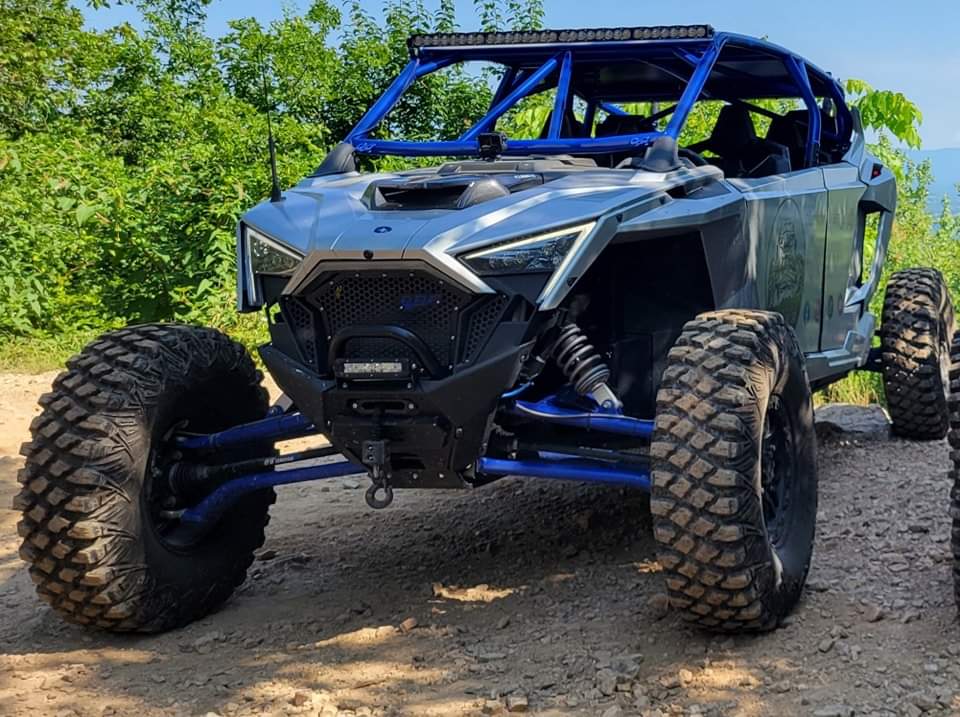
Compare 30, 32 and 35-inch SxS tires. Learn how tire diameter affects clearance, gearing, acceleration, clutching, fitment and drivetrain load.
Quick answer
There is no universal ideal SxS tire size. Your machine, factory tire diameter, suspension clearance, wheel offset, terrain, gearing and clutch or CVT setup determine what makes sense. Tire weight and your goals matter as much as the number on the sidewall.
Choose the smallest change that solves a specific riding problem while staying within verified compatibility. More clearance can help on obstacles, but a larger tire also changes the work your machine does. Looking at 30 vs 32 inch tires or 32 vs 35 inch tires only becomes useful after you establish your current setup.
Record the model year, trim, wheels, tires and suspension accessories before shopping. A fitment report from a similar-looking machine may omit a crucial detail. Keep the factory arrangement as your reference until model-specific guidance supports a change.
How to read a SxS tire size
In 32x10R15, 32 is the nominal overall tire diameter in inches, 10 is the nominal section width, R indicates radial construction, and 15 is the wheel diameter in inches. The wheel diameter identifies the bead-seat size the tire must fit. It is not interchangeable with the overall tire diameter.
Nominal section width is not a promise of tread width or total installed vehicle width. Wheel width and the tire’s profile affect its mounted shape. Check the tire manufacturer’s approved wheel-width range rather than assuming any wheel with the correct diameter is suitable.
Actual measured diameter can differ from the size printed on the tire. Manufacturer measuring conditions, inflation, rim selection and tire construction influence the published dimension. Compare actual specifications for the exact product and size, then distinguish unloaded diameter from the loaded radius supporting the vehicle.
Two labeled 32-inch tires may occupy different amounts of space. Ask for mounted dimensions when a narrow clearance margin determines fitment.
What bigger tires actually change
A larger diameter can increase theoretical ground clearance and help the tire approach some obstacles more gradually. It also makes the effective gearing taller, changing the distance traveled per wheel revolution. Acceleration and low-speed response may change if the powertrain has more work to do.
Rotating mass matters when accelerating or slowing the assembly, while unsprung mass affects how the suspension responds to uneven ground. Increased width, mass or an offset change can add steering load. Braking feel can change too, because the brakes are controlling a different combination of radius and inertia.
Check suspension clearance as a moving system, not just the parked gap above the tire. Raising the vehicle on larger tires can also raise its center of gravity, affecting how it feels on slopes and in turns. Drivetrain load may increase, particularly with heavy tires and demanding traction conditions.
These changes will not be equally noticeable on every machine. A powerful vehicle already designed around a large tire differs from a smaller machine taking a substantial step beyond its factory configuration. Your terrain and driving inputs influence how strongly the tradeoffs appear.
How much ground clearance do bigger tires add?
Use this simple estimate before considering the real installed result:
Theoretical clearance gain = (new tire diameter - old tire diameter) / 2
Going from 30 to 32 inches gives approximately 1 inch of theoretical clearance gain. Moving from 32 to 35 inches gives approximately 1.5 inches of theoretical clearance gain. The diameter change is divided by two because only the radius below the axle contributes to the estimate.
Actual loaded clearance can differ because labeled size, measured diameter, pressure, load and tire construction differ. A tire compresses under the machine, and two designs may support that weight with different deflection. Treat the arithmetic as a planning estimate rather than a guaranteed measurement at the skid plate.
Measure your machine on level ground in its normal configuration. Repeat after installation with comparable load and required pressure for a useful before-and-after measurement.
Bigger tires make the effective gearing taller
The approximate change in tire travel per wheel revolution is new diameter / old diameter. With nominal sizes, 32 / 30 is about 1.067, or 6.7% larger diameter. Similarly, 35 / 32 is about 1.094, or 9.4% larger diameter.
That means the larger tire theoretically covers more ground with each turn of the wheel. It also changes the leverage between the drivetrain and the ground. The engine and transmission still have to pull that taller effective gearing under real load.
An equal top-speed increase is not guaranteed. Available power, CVT behavior, gearing, terrain and rolling resistance may keep the machine from achieving the same wheel speed. Possible effects include slower acceleration, greater clutch load, more heat and altered low-speed feel, depending on the machine and setup.
Use those percentages to understand the direction and scale of the change, not as a prediction of speed or belt temperature. Loaded tire radius provides a different real-world relationship from nominal diameter. Check whether the manufacturer addresses speedometer accuracy or setup calibration after a tire change.
Tire weight matters along with diameter
Two 32-inch tires can affect your vehicle differently if one is substantially heavier. Larger lugs, additional reinforcement and different construction can change mass without changing the printed size. Compare the actual tire weights, and include the wheels when deciding between complete packages.
Rotating mass takes effort to accelerate and brake. Where that mass sits within the assembly matters as well, so total pounds alone do not describe every difference. There is no reliable universal horsepower-loss number you can assign to a tire swap.
Unsprung mass is carried below the suspension springs and can affect how the wheel follows bumps. Added assembly weight can influence steering effort and suspension response even if the diameter stays similar. A package that offers useful durability may still involve a response tradeoff you should understand.
Choose tread for your riding before automatically choosing the largest available version. The terrain tire guide helps connect construction and tread decisions to rocks, mud, trails and dunes. Size and design should solve the same riding problem.
30 vs 32 vs 35-inch tires
This table describes reasons to consider each nominal size; it does not establish which machines accept it. The significance of each step depends on the factory tire and the exact mounted replacement.
| Nominal size | Typical reason riders consider it | Potential advantages | Potential tradeoffs |
|---|---|---|---|
| 30 inches | Retain or approach a familiar setup with manageable diameter | May limit the size increase relative to a smaller factory tire | Can offer less theoretical clearance than larger alternatives |
| 32 inches | Seek additional rollover and clearance without the largest step | More nominal radius than a 30-inch tire | Taller effective gearing, added weight or rubbing depending on setup |
| 35 inches | Prioritize clearance for demanding terrain | More theoretical radius and obstacle approach potential | Greater fitment, powertrain and mass considerations when up-sizing |
These rows are not an upgrade ladder: factory sizes provide different baselines. Your preferred diameter can remain unchanged while another tread improves suitability for your route.
Will bigger tires rub?
Check full steering lock and suspension compression, including positions where both occur together. Control arms, trailing arms, fenders, bodywork and installed accessories can limit room. Shocks or springs may also be relevant on your particular suspension design.
Wheel offset and backspacing affect where the tire sits relative to those parts. Moving the tire outward may change one clearance while creating another issue or changing steering behavior. A spacer or different wheel is not an automatic fitment solution.
Verify model-specific fitment with the machine and component manufacturers. Ask whether the information covers your exact wheel dimensions, suspension configuration and tire’s actual measured size. Checking the package through suspension travel should follow an appropriate procedure; a qualified shop can evaluate positions you cannot safely reproduce yourself.
When does clutching matter?
There is no universal rule that adding two inches requires a clutch kit. Diameter increase, tire weight, engine output, CVT calibration, elevation, terrain and towing or passenger load all affect the decision. Slow riding with demanding traction can expose different issues from light-load travel.
Larger or heavier tires can make clutch calibration more important because the system is operating against a changed load. Calibration is meant to suit the machine and intended use; it does not erase tire mass or change every mechanical ratio. Some vehicles also use transmissions that require a different discussion from a belt-driven CVT.
Follow machine and clutch-component manufacturer guidance rather than ordering a generic kit solely by tire size. Describe your elevation, usual load and riding style when asking for advice. If you notice abnormal heat, belt distress or poor engagement, investigate the setup and condition before continuing demanding use.
When does gearing matter?
Very large tires, slow technical riding, heavy mud and large weight increases can make gearing more important. The goal is useful mechanical advantage and controllable operation for the intended load. Whether a change is appropriate depends on the existing drivetrain and how far the replacement moves from its design assumptions.
Nominal tire size alone does not establish a need for portals or gear reduction. Those components bring their own fitment, handling and maintenance considerations. Discuss the complete combination with the machine and component manufacturers before choosing hardware to compensate for another modification.
Square vs staggered tire setups
A square setup uses the same tire size at all four corners. It can simplify inventory, spare planning and rotation, but matching tire sizes does not ensure every mounted wheel can move to every position. Wheel offset, bolt pattern, clearance and directional tread still need attention.
A staggered setup uses different front and rear widths or sizes. That may follow factory choices for steering, traction or handling, and changing it can affect those characteristics. Verify compatibility before replacing the original arrangement, including any manufacturer requirements for rolling circumference in four-wheel drive.
Tire size and 50-inch trails
Tire diameter does not determine overall machine width. Tire section width, wheel offset and spacers can change the widest point of the vehicle even when the printed diameter stays the same. Measure the complete installed machine rather than relying on its original advertised width.
Use the riding-location finder’s vehicle-width filter when planning width-restricted riding. Verify requirements with the responsible operator, including how width is measured and which routes are currently available. A tire package that clears your suspension may still change your access to a narrow trail.
A practical tire-size decision process
Use a written checklist so one attractive dimension does not hide the rest of the purchase:
- Record the factory size and your current actual tire and wheel specifications.
- Define the clearance or terrain problem you want to improve.
- Compare mounted diameter, width and weight for each candidate.
- Verify fitment at steering lock and throughout suspension movement.
- Confirm wheel specifications, factory arrangement compatibility and access width.
- Review clutch, gearing and load guidance for the complete machine setup.
- Establish the required operating pressure and inspect the installed package before riding.
The tire pressure process helps evaluate the resulting feel without treating inflation as a cure for incompatible fitment. Keep your measurements and manufacturer responses so you can revisit the decision if the load or terrain changes.
FAQ
Can I put 32-inch tires on my stock SxS?
Only model-specific fitment information can answer that for your machine, wheel arrangement and selected tire. Check actual dimensions and clearance through movement instead of assuming all stock SxS models accept the same size.
Do bigger tires require a clutch kit?
The answer depends on the machine’s transmission, calibration and the change in diameter, weight and operating load. Consult the vehicle and clutch-component guidance with your complete setup details.
Do larger tires increase ground clearance?
An increase in radius offers theoretical clearance gain, but loaded dimensions determine the installed result. Measure at comparable load and pressure rather than promising the nominal-size calculation will appear under the machine.
Are 35-inch tires harder on a SxS?
A large or heavy increase can add drivetrain, steering and braking demands. The impact depends on the starting size and vehicle design, so the number alone cannot establish an upgrade requirement or a damage prediction.