
Terrain Guides
Mud Park Riding Guide
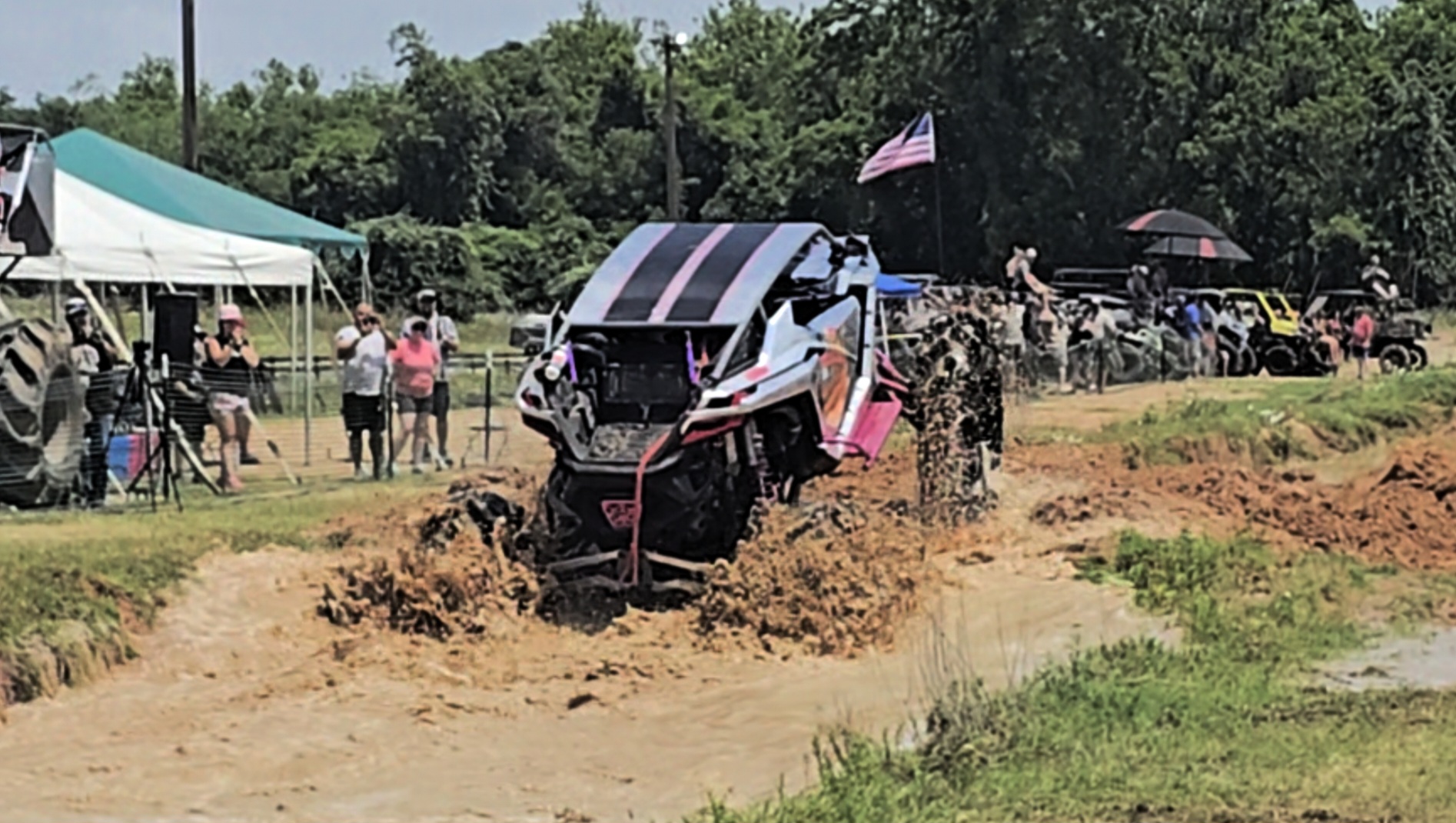
Get ready for mud park riding: recovery gear, tires and snorkels, checking water depth, bounty holes, riding with a spotter, and cleanup after.
Quick answer
Mud riding starts with deciding which ground to avoid as much as which route to attempt. Prepare the machine for its intended use, carry compatible recovery equipment, and assess water and mud before entering. A modified vehicle or successful crossing by someone else does not establish that your line is safe.
Plan a ride with people who communicate and are willing to choose a bypass. Keep recovery within the equipment’s rated use and the group’s training, and contact park staff when a situation exceeds either. Leave time for cleaning and inspection afterward because mud can conceal damage and interfere with cooling or braking.
Machine setup
Mud-oriented tires can change traction and handling, but suitability depends on the machine and its intended conditions. Larger or heavier replacements may affect clearance and drivetrain demands. Check compatibility and manufacturer guidance before assuming a more aggressive tread is the right preparation for your vehicle.
Snorkels or raised intakes need manufacturer approval or qualified installation guidance appropriate to the model. Intake routing is only one part of the machine’s water exposure, and a snorkel does not make deep water safe. Electronics, drivetrain openings, restraints, occupants, and the risk of becoming immobilized still matter.
Inspect electrical protection using the prescribed procedures. Damaged seals, loose connections, and an improvised accessory installation deserve attention before mud conceals them. Avoid opening or modifying electrical components based on a general checklist when the repair requires model-specific knowledge.
Check cooling surfaces and airflow before departure, then monitor the machine during the ride. Mud can build up where air needs to move through the radiator or other components. Follow the manual when responding to temperature warnings, and avoid reaching into hot or moving equipment during a trailside inspection.
Understand your belt and CVT system’s operating guidance. Sustained load, water exposure, or inappropriate operation can create problems that tire choice cannot solve. Choose routes and drive settings within the vehicle’s limits, and resolve unusual belt behavior before attempting another difficult section.
Recovery gear
A winch is useful only when the installation, attachment points, and other equipment suit the intended task. Inspect the system according to its instructions and learn its rated uses before you need it. A recovery strap and a soft shackle also require suitable ratings and compatibility; carrying them does not establish a workable recovery plan.
Use recovery points identified for that purpose by the manufacturer or qualified guidance. A convenient suspension part, transport attachment, or nearby component may not be suitable for recovery loading. If you cannot identify appropriate points, stop and obtain help instead of choosing an attachment by appearance.
Follow each item’s operating instructions, including applicable inspection, handling, and glove guidance. Keep people clear of loaded lines and the expected movement of the vehicles. Do not combine methods or equipment in ways beyond their rated use, and avoid improvised pulls under pressure from spectators.
Before starting, agree on who directs the recovery and how the driver and helpers will communicate. Keep additional machines outside the problem area and preserve access for assistance. If an appropriate anchor, safe working area, or trained operator is unavailable, ask park staff about controlled recovery rather than escalating the attempt.
Checking mud and water before going in
Depth can change as traffic churns a hole or weather adds water. The surface may conceal ruts, debris, a steep drop, or a bottom that will not support the machine. Assess from a safe position and stay within the manufacturer’s water and terrain guidance; uncertainty is a reason to bypass the section.
Inspect the approach and exit as well as the apparent middle. A crossing can become a problem when the far side is blocked, too steep, or crowded by another vehicle. Consider whether you can complete the route without stopping in a place where water or mud creates additional exposure.
Another machine crossing does not prove your chosen line is safe. It may have different ground clearance, tires, load, or a route you cannot see accurately. Avoid using that crossing as a substitute for evaluating your own vehicle and the conditions in front of you.
Let a spotter help assess the route only from a suitable position clear of traffic and hazards. Agree on communication before proceeding, and pause if you cannot see or understand the spotter. No one should wade into an uncertain hole or stand in the machine’s path simply to make a crossing possible.
Avoid sending several vehicles into the same recovery situation. If the first machine has trouble, keep the others on firm, permitted ground while you assess options. Preserving a clear approach for help is more useful than forming a queue of stuck vehicles.
Bounty holes and mud events
A bounty hole or organized mud competition can involve a purposefully demanding course. Recreational attendance does not make you a participant, and crowd enthusiasm does not establish that your machine is equipped to enter. Follow organizer instructions for participant access and remain in designated spectator areas when watching.
Browse Mud Events to investigate represented weekends. SxSWeRide includes Super Bog associated with Iron Horse Mud Ranch. Use the listing and park relationship to identify the event context, then confirm the current organizer information without assuming a schedule, entry class, or recovery service.
If competition interests you, ask about technical eligibility, course rules, and the recovery arrangements before committing. A modified intake or tire package is not proof of compliance. Keep your ordinary trail plan separate from any competition decision so you can enjoy the visit without entering an unsuitable obstacle.
Cleanup after the ride
Use a permitted wash area and the manufacturer’s cleaning procedure. Avoid forcing water into seals, bearings, electrical connections, or intake openings with an inappropriate wash method. Check the underside and hidden spaces where mud can remain after visible body panels look clean.
Inspect the air filter as directed, particularly after dusty approaches or suspected water exposure. Clear radiator and cooling surfaces using approved methods and check for blockage before the next outing. An overheating problem during the ride deserves investigation rather than assuming a wash has resolved it.
Check the CVT and belt according to the machine’s maintenance instructions. Review brakes and bearings for signs that need attention, and resolve unusual noises, reduced braking, or contamination before returning to service. Follow recommended post-ride maintenance intervals and consult a qualified technician when the inspection is beyond your experience.
Where to start
The mud riding directory and Alabama mud park listings can help you identify candidates. Open each park page for represented access information, then ask which current routes fit your setup and experience. A mud category describes terrain interests rather than certifying every hole as appropriate.
Verify current rules with the operator before loading recovery equipment and making travel plans. Ask about designated riding areas, bypass options, assistance contacts, and permitted washing arrangements. Those answers help you choose an outing that includes both a manageable ride and a realistic cleanup plan.
FAQ
Does a snorkel establish a new safe water depth?
A raised intake alone does not establish the vehicle’s operating limits or protect every vulnerable component. Follow the applicable manufacturer or qualified installation guidance and avoid uncertain crossings.
Can you recover a machine from any convenient attachment?
Only use points appropriate for recovery under the relevant vehicle and equipment guidance. If the attachment or loading is unclear, obtain qualified help rather than improvising a pull.
Is washing enough before the next ride?
Cleaning removes mud but does not replace inspection and recommended maintenance. Check affected systems and address any warning, unusual behavior, or suspected water exposure before using the machine again.